Realistic Ontario renovation costs matter early
A legal basement apartment usually costs more than homeowners first expect, especially when structural, mechanical, fire-separation, and permit-related work become clearer.
The value of a basement apartment is not only the financing. The suite itself has to make sense legally, structurally, financially, and operationally before borrowing should follow it.
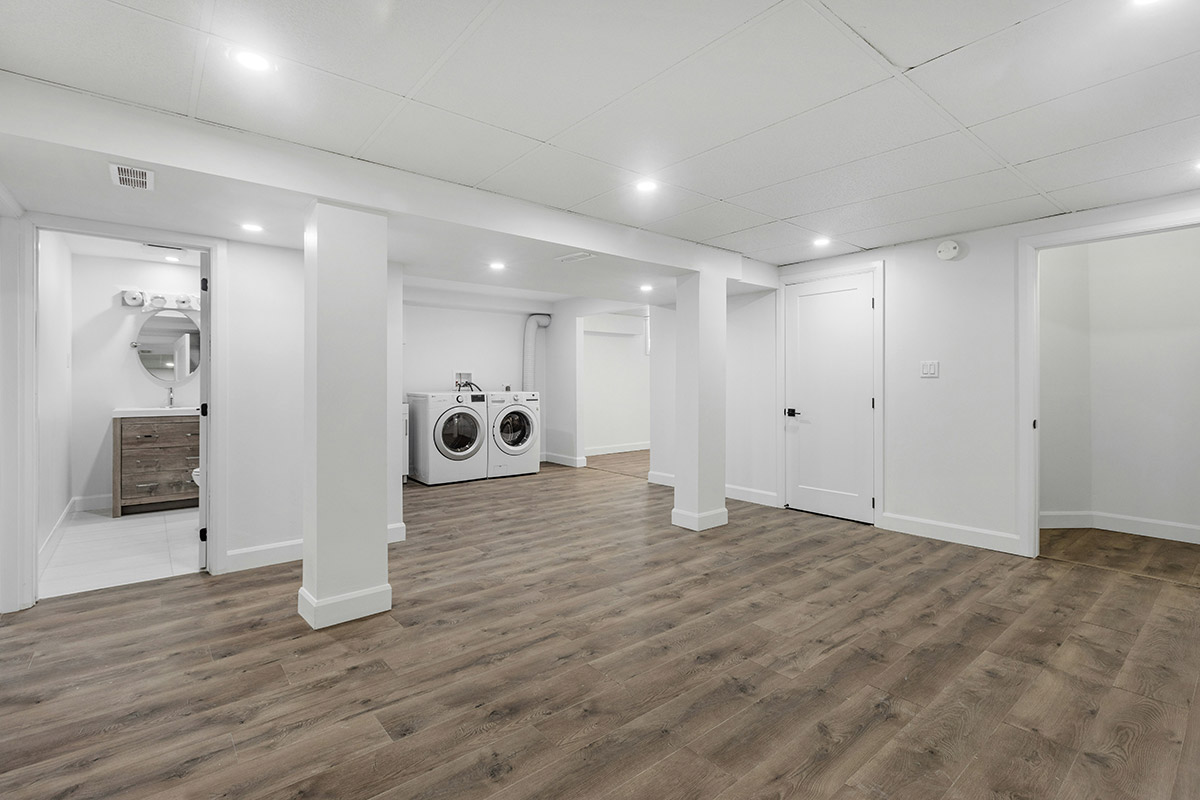
Legal suite planning
Separate entrances, compliance work, and realistic renovation costs change the financing decision.
Why homeowners use home equity
Separate entrances, kitchens, bathrooms, and code-driven upgrades often push the budget beyond a simple basement finish.
Permit-heavy work can create staged construction costs that do not arrive all at once.
Mechanical, electrical, plumbing, and life-safety changes can materially change the financing picture once the suite becomes real.
A legal suite is often treated as a longer-term property decision, not just a quick cosmetic renovation.
Why legal suites are different
This is why renovation planning matters before financing decisions. Ontario suite projects can trigger compliance work, inspections, and layout changes that materially affect both cost and timing.
Permits and municipal review
Fire separation and life-safety requirements
Egress, window, and exit conditions
Ceiling height and layout constraints
HVAC, electrical, and plumbing rework
Inspections and compliance sign-off
When a HELOC may fit well
When caution is needed
Ontario basement apartment planning considerations
A legal basement apartment usually costs more than homeowners first expect, especially when structural, mechanical, fire-separation, and permit-related work become clearer.
Suite rules, permit timelines, and local interpretation can vary by municipality, which is why basement apartment financing should stay tied to actual project feasibility instead of assumptions.
Incentives can reduce financing pressure on some secondary suite projects, but they should support a viable plan rather than create a false sense of feasibility.
Renovation-first feasibility framework
The suite needs to work on layout, exits, fire separation, servicing, and code obligations before financing becomes the real question.
A legal basement apartment usually makes more sense when the property will be held long enough for the project costs and long-term use to matter.
If the suite scope is still evolving, a HELOC can end up masking uncertainty instead of supporting an organized renovation plan.
Projected income should be realistic, not optimistic. The suite should still make sense when compliance costs, timing, and actual market conditions are taken seriously.
Common mistakes
Financing before confirming legal feasibility and the likely permit path.
Assuming every basement can become a legal apartment without major constraints.
Ignoring the complexity of fire separation, egress, ceiling height, or servicing changes.
Overbuilding beyond the property or neighborhood value logic.
Treating projected rent as guaranteed before the suite is designed, permitted, and delivered.
Next step
Start with legal feasibility, realistic renovation costs, and ownership logic before using a HELOC or another borrowing path to support the suite.
If you want to compare this against more structured monthly-payment project options, review the Ontario renovation financing overview.
Frequently asked questions
Yes. Many Ontario homeowners use a HELOC for a basement apartment project, but the suite should first make sense legally, structurally, and financially before home equity becomes part of the decision.
Not automatically. A HELOC can suit phased work and flexible access to equity, while refinancing may be worth comparing on larger suite projects with a longer ownership horizon.
A legal basement apartment typically depends on permit approval, fire and life-safety requirements, layout conditions, exits or egress, mechanical systems, and municipal compliance standards.
Sometimes, but projected rent should support a real plan rather than rescue a weak one. The suite still needs realistic costs, legal feasibility, and a credible ownership strategy.
Confirm the likely permit path, legal feasibility, layout, cost range, ownership horizon, and whether the rental logic remains strong after compliance costs are included.
Yes. Permit requirements often change timing, cost, and scope assumptions, which is why they directly affect whether a HELOC or any other borrowing path actually fits the project.
Sometimes. Grants and incentives can reduce financing pressure on some suite-related projects, but they are not guaranteed and do not replace the need for a viable basement plan.
The main risks are unclear legal feasibility, underestimating compliance costs, overestimating rent, and using financing before the suite design and scope are stable enough to trust.