Ontario homeowner planning guide
Using Home Equity for Renovations in Ontario
A HELOC or refinance can fund a bigger project. First, make sure the renovation itself is worth borrowing against your home for.
- Borrow up to 80% of your home’s value, minus what you still owe.
- With a HELOC, you pay interest only on what you actually draw.


Quick equity check
EstimateEstimated equity access
$340,000
80% of value minus your mortgage. Your real limit depends on appraisal and lender approval.
Planning tool
HELOC Renovation Fit Calculator
A planning tool to help you judge whether home equity belongs in the renovation.
Guided assessment
Step 1: Property Context
Start with the home and the project budget. This gives the assessment the property context before renovation fit is judged.
This tool is for renovation planning and educational use only. It does not provide lending advice, approvals, qualification decisions, or a repayment plan. OntarioReno is not a lender, bank, or mortgage broker.
Your options
Compare the ways to pay
Equity is one path, not the only one. Each guide goes deeper.
HELOC
Flexible access to equity, drawn as you need it. A natural fit when the renovation is defined and has long-term value.
Best forDefined, higher-value projects like suites and additions.
HELOC vs renovation financingRefinance
Resets the mortgage to free up a larger amount. Makes more sense for big projects on a home you plan to keep.
Best forBigger projects with a longer ownership horizon.
HELOC vs refinanceOpen Loan
A set monthly payment you can pay down or clear early with no prepayment penalty. Approval depends on your profile and the lender.
Best forHomeowners who want a clear monthly number.
See how the open loan worksRather stage the work than borrow more up front? Phased renovation financing
Project scenarios
Where equity tends to make sense
The strongest cases add rental income or lasting value. Each still has to pass permits and cost first.
 Rental income
Legal secondary suite
A legal unit can bring in rent and add lasting value, the strongest case for using equity.
Legal suite financing Rental or family
Garden suite
A backyard unit for rent or family. Servicing and site fit decide whether it pencils out.
Garden suite financing Living space
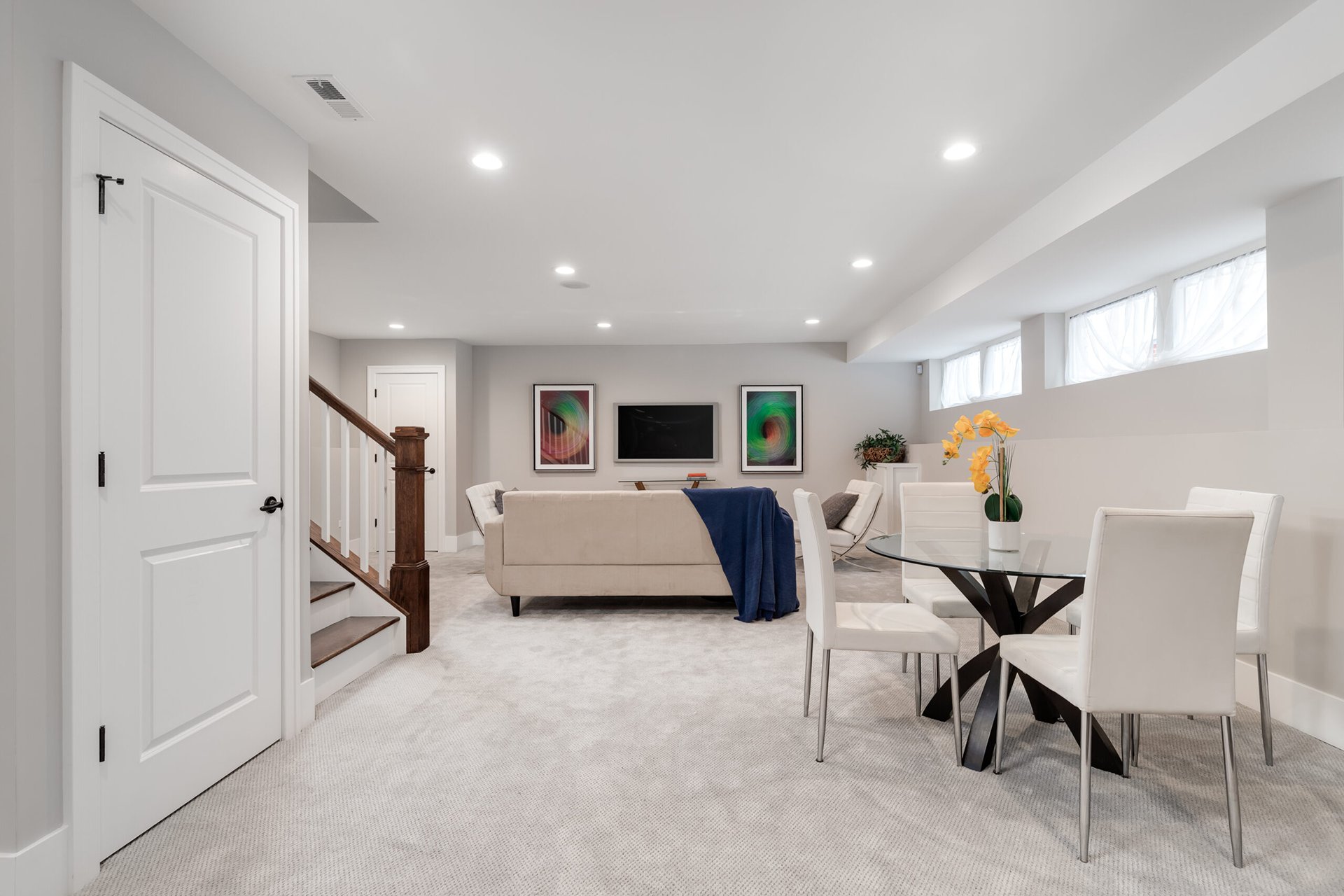
Basement finish
More usable space for the household. Works best when the scope is clear and you plan to stay.
Plan a basement Long-term value
Addition or major overhaul
Large structural projects on a home you will keep are where a refinance is often compared.
HELOC vs refinanceGrants can lower what you borrow. See using grants with home equity or Ontario grants open now.
Free project review
Know the project is sound before you borrow a dollar
Tell us about the renovation and we'll look at it with you before any financing decision.
Start Project ReviewFree and no obligation.
- 01
Define the renovation
Know what is being built before you decide how to pay for it.
- 02
Test feasibility
Check the permit path, compliance work, and hidden complexity.
- 03
Check the value
Will the project add value or rental income that earns the equity?
- 04
Choose how to pay
Compare the options only once the renovation itself makes sense.
Frequently asked questions
Questions before using home equity
Not sure what the project will cost yet? See Ontario renovation costs.
Can you use a HELOC for renovations in Ontario?+
Yes. Many Ontario homeowners use a HELOC for renovations, but the better question is whether the renovation scope, permit path, cost logic, and long-term project purpose actually justify using home equity in the first place.
Is a HELOC better than renovation financing for an Ontario renovation?+
Not always. A HELOC can offer flexible access to home equity, while renovation financing can feel cleaner for some projects. The better choice depends on scope certainty, ownership horizon, and how defined the Ontario renovation plan really is.
What should I confirm before using home equity for a renovation?+
A realistic cost range based on Ontario project conditions, the likely permit path, how stable the scope is, whether rental income or resale value genuinely matters, whether any grant actually applies, and how long you plan to keep the home after the work is done.
Which renovations are a weaker fit for home equity?+
Mostly cosmetic upgrades with little long-term value, projects whose scope is still moving too much to price, and renovations on a home you expect to sell soon or that rely on speculative payoff assumptions.
Should I use home equity before I know the full Ontario renovation cost?+
Usually no. It is safer to understand realistic Ontario renovation costs, likely permit requirements, and scope risk before treating home equity as the answer.
Does using home equity make sense for a legal basement apartment in Ontario?+
It can, especially when the Ontario suite has realistic rental logic and a credible path to legal compliance. It becomes much harder to justify if income assumptions are strong but feasibility is weak.
Can Ontario grants and incentives reduce how much I need to borrow?+
Sometimes, yes. Ontario grants and incentives can reduce financing pressure, but they are not guaranteed and do not automatically make the renovation viable.
Is a renovation refinance better than a HELOC for a large Ontario project?+
Sometimes. A refinance may make more sense on a larger Ontario renovation project with a longer ownership horizon, while a HELOC may fit homeowners who want more flexibility. The project itself should drive that comparison.
Which Ontario renovations are most likely to justify using home equity?+
Ontario projects with stronger long-term value, practical household benefit, or realistic rental logic tend to justify home equity more easily than smaller cosmetic work.
What should I figure out before financing a garden suite or legal basement apartment in Ontario?+
Clarify the Ontario cost range, permit path, layout feasibility, servicing or mechanical needs, legal compliance requirements, and whether the income or property-value logic is actually strong enough to support the investment.