HELOC
Often becomes the most natural comparison point when the garden suite has promising feasibility, staged costs, and a homeowner who wants flexible access to equity without resetting the full mortgage.
A garden suite is not just a financing decision. The project has to make sense on the lot, through the permit path, through servicing, and through the homeowner's long-term plan.
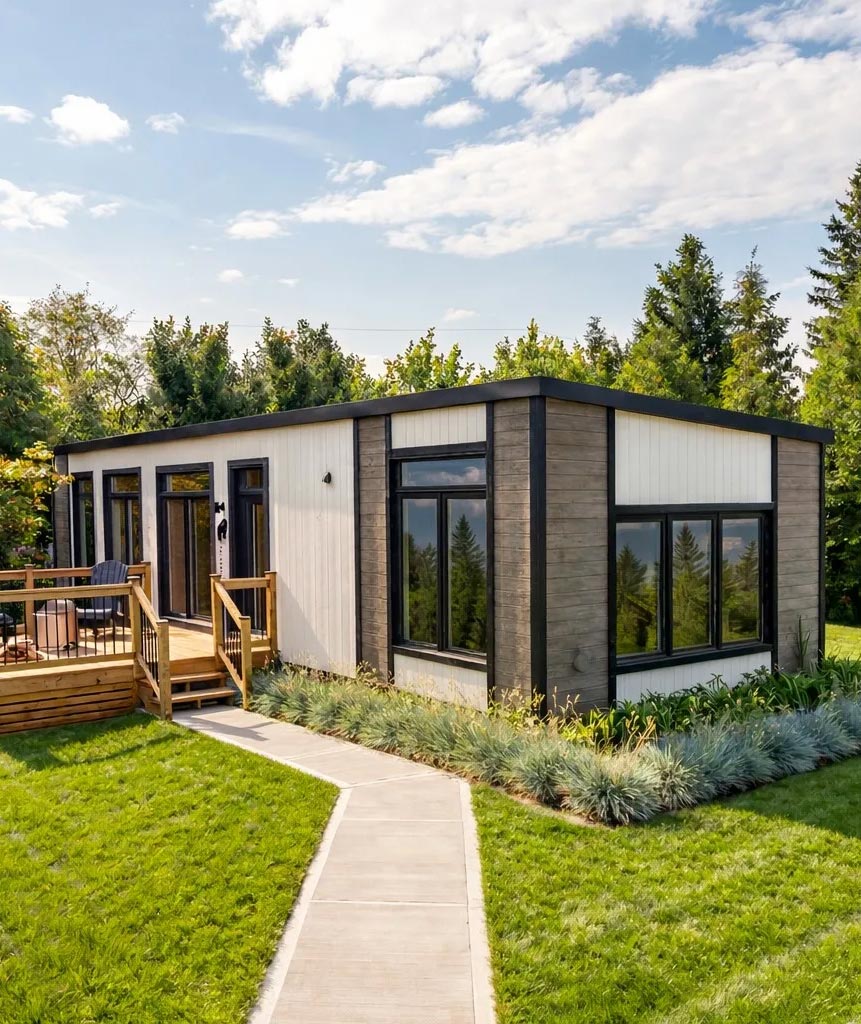
Site and suite planning
Garden suites are shaped as much by lot fit and servicing as they are by financing.
Why financing planning matters
Garden suites are high-ticket backyard projects, not light finish upgrades.
Design, permit, and consultant work can begin well before major construction starts.
Foundation work, site preparation, servicing, and utility connections can materially reshape the budget.
Timelines are often long enough that staged financing decisions matter just as much as the total cost.
Financing paths homeowners may compare
Often becomes the most natural comparison point when the garden suite has promising feasibility, staged costs, and a homeowner who wants flexible access to equity without resetting the full mortgage.
Can make more sense when the garden suite budget is large enough to justify a broader borrowing reset and the ownership horizon is long enough for that decision to feel rational.
Can fit cleaner project scopes where payment structure or staged funding matters more than long-term access to home equity.
Sometimes the better move is sequencing design, approvals, servicing work, and construction in stages instead of treating the entire garden suite as one funding event.
When a HELOC may fit
When refinancing may fit better
Site feasibility before financing
Lot size and setback constraints
Access and buildability on the site
Servicing and utility connection requirements
Zoning or bylaw limitations
Municipal review and permit path
Design feasibility before financing is locked in
A garden suite can look financeable long before it is genuinely buildable. That is why the project should connect back to garden suite planning, realistic renovation costs, and a free in-home consultation before the borrowing path is treated as settled.
If you are comparing a HELOC against a refinance, it is worth reading the broader home equity guide and the more specific HELOC vs refinance comparison.
Ontario-specific planning considerations
Garden suite rules can differ by municipality, which means site assumptions and financing assumptions should never get too far ahead of the local approval path.
Water, sewer, hydro, grading, and access conditions can materially change what a garden suite really costs and how the financing pressure feels.
Family use, multigenerational use, long-term flexibility, and realistic rental potential all shape whether the project deserves a larger financing decision.
Common mistakes
Financing before confirming whether the lot can actually support a garden suite.
Assuming every backyard can handle setbacks, access, servicing, and permit requirements.
Underestimating servicing and utility connection costs.
Relying too heavily on projected rental income before the site and budget are real.
Treating a garden suite like a simple backyard renovation instead of a serious secondary dwelling project.
Ignoring permit timing and municipal uncertainty when planning the financing.
Next step
Start with lot fit, servicing, design feasibility, and realistic costs before deciding whether a HELOC, refinance, renovation financing, or phased approach deserves to lead the project.
For homeowners also comparing structured monthly-payment project options, review the Ontario renovation financing overview.
Frequently asked questions
Yes. Many Ontario homeowners consider a HELOC for a garden suite, especially when the project will move through staged spending and the homeowner wants flexible access to equity without changing the full mortgage.
Sometimes. Refinancing can become more relevant when the garden suite budget is very large, the ownership horizon is long, and the project is stable enough to justify a broader borrowing reset.
A garden suite is shaped by site feasibility, municipal review, servicing, utilities, design work, and long timelines. Those layers make the financing decision more complex than a typical interior renovation.
Usually no. Lot constraints, servicing requirements, setbacks, and municipal rules should be pressure-tested before financing becomes the center of the decision.
Sometimes, but projected rent should support a viable project rather than rescue a weak one. The suite still needs a realistic site, budget, permit path, and long-term use case.
Understand design work, permits, servicing, site preparation, utility connections, construction costs, and the timeline risk that can change how the budget unfolds.
Yes. Permit timing, municipal review, and servicing requirements can materially change both the budget and the timing of borrowing decisions.
Confirm lot fit, zoning or bylaw feasibility, likely servicing demands, realistic cost range, ownership horizon, and whether the long-term use logic is actually strong enough to support the financing.