Ontario renovation financing guide

HELOC vs Refinance for Renovations in Ontario

The question is not only which borrowing path is available. The better question is whether the renovation is defined, valuable, and stable enough to justify restructuring borrowing around it.

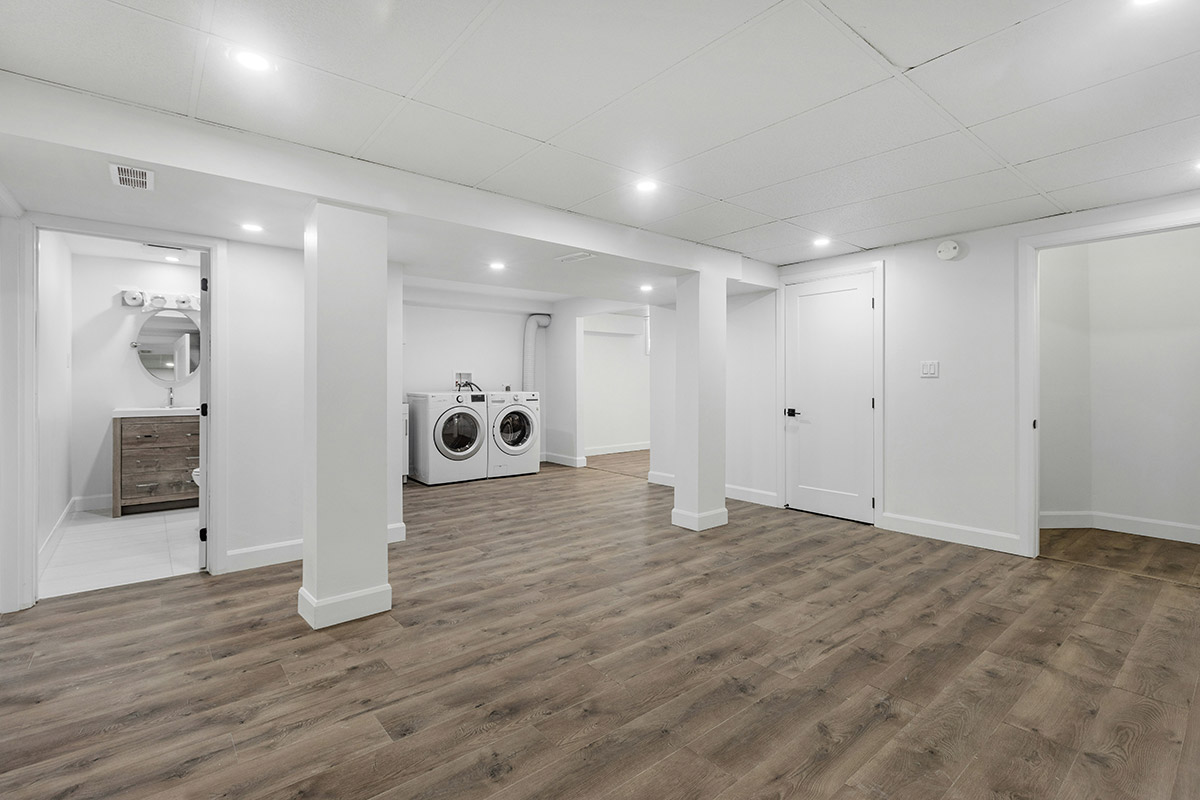
Ontario renovation planning atmosphere with a refined interior renovation space
Borrowing comparisonRenovation-first logic

Quick comparison

Two borrowing paths, one renovation-first question

Primary comparison point

HELOC

Usually fits better when the renovation plan is defined, spending may happen in stages, and the homeowner wants access to equity without resetting the full mortgage.

Usually best for: Staged renovation spending, timing uncertainty, and projects where flexible draw access supports the plan.

Read the home equity guide

Secondary comparison point

Refinance

Usually fits better when the project is large enough to justify a broader borrowing reset and the ownership horizon is long enough for that decision to make sense.

Usually best for: Major additions, whole-home renovations, or larger Ontario renovation budgets that may justify restructuring into one mortgage.

Start project review

When a HELOC may fit better

Flexible access can matter more than a full borrowing reset

  • Flexible draw access can suit renovation spending that happens in phases instead of one clean lump sum.
  • It can be helpful when contractor timing, permit timing, or phased work leaves the budget sequence less predictable.
  • It may fit homeowners who do not want to reset their entire mortgage just to support one renovation plan.
  • It can support the renovation when equity access strengthens the project without changing the whole mortgage structure.

When refinancing may fit better

Bigger projects can justify a broader mortgage-level decision

  • Very large renovation budgets can make refinance conversations more relevant, especially when the whole borrowing structure may need to change.
  • A longer ownership horizon can make a broader borrowing reset feel more rational than short-term patchwork decisions.
  • It can appeal to homeowners who want one mortgage structure instead of layering renovation borrowing on top of the existing setup.
  • It tends to become more relevant on major additions, whole-home renovations, or other large Ontario projects with a stable long-term plan.

Renovation-first decision framework

Test the renovation before comparing the borrowing path

01

Is the scope defined?

If the renovation is still changing shape, comparing a HELOC to a refinance is usually premature. A basement apartment, garden suite, or addition should first have a believable layout, permit path, and cost range.

02

Is the project large enough?

Smaller or cleaner renovations may not justify restructuring the entire mortgage. Larger projects with deeper cost, permit, or scope complexity may create a stronger reason to compare broader borrowing paths.

03

Is the ownership timeline long enough?

The longer the property is likely to be kept, the easier it is to justify a bigger financing decision around the renovation. A shorter horizon usually calls for more caution.

Ontario renovation considerations

Ontario permits, suite rules, and realistic costs still shape the borrowing choice

Permits can change the financing conversation

Ontario permit requirements, code upgrades, and compliance-heavy scope can turn a project that looked simple into something materially more expensive.

Garden suites carry site and servicing complexity

Garden suites can justify stronger long-term borrowing conversations, but only when servicing, site fit, municipal rules, and realistic costs support the plan.

Grants help, but they do not replace feasibility

Ontario incentives can reduce borrowing pressure, especially on suite-related projects, but they should never be treated as a substitute for a viable renovation plan.

Common mistakes

Borrowing comparisons get messy when the renovation is still unclear

Comparing HELOCs and refinancing before the renovation has been realistically priced.

Refinancing for a project that is still too unclear on layout, permits, or total cost.

Using a HELOC without enough discipline around staged draws and scope changes.

Assuming rental income will rescue a weak legal basement apartment or garden suite plan.

Ignoring permit-heavy scope that can materially change the renovation budget.

Next step

Compare the financing path after the renovation makes sense

Start with the renovation scope, the permit path, and the realistic cost logic. Then decide whether a HELOC, a refinance, or a phased approach deserves a closer look.

If you are also comparing monthly payment-oriented project options, review the Ontario renovation financing overview.

Frequently asked questions

Questions before choosing between a HELOC and a refinance

Is a HELOC better than refinancing for renovations?+

Not automatically. A HELOC can suit staged spending and flexible access to equity, while a refinance can fit larger Ontario renovation projects that may justify a broader borrowing reset. The renovation itself should drive that decision.

When should I refinance for a renovation?+

Refinancing becomes more relevant when the renovation budget is large, the ownership horizon is long, and the project is defined enough to justify folding the borrowing into one larger mortgage structure.

When does a HELOC make more sense?+

A HELOC can make more sense when spending will happen in stages, timing is less predictable, or the homeowner wants equity access without changing the full mortgage.

Should I use a HELOC before I know the renovation cost?+

Usually no. It is better to understand realistic Ontario renovation costs, likely permit implications, and the full project scope before relying on a HELOC as the solution.

Is refinancing better for a legal basement apartment?+

Sometimes, but not by default. A legal basement apartment has to be feasible, code-compliant, and financially believable before refinance logic becomes meaningful.

Which option is better for a garden suite?+

It depends on project size, servicing complexity, ownership timeline, and whether the garden suite is stable enough to justify broader borrowing changes.

Can grants affect the decision?+

Yes. Ontario grants and incentives can reduce financing pressure, but they should be treated as supporting context rather than guaranteed project support.

What should I confirm before choosing?+

Confirm the renovation scope, likely permit path, realistic cost range, ownership timeline, and whether the long-term value or income logic is actually strong enough to support the borrowing decision.