Ontario renovation financing guide

HELOC vs Renovation Financing in Ontario

A HELOC and renovation financing solve different problems. One tends to offer flexible access to home equity. The other may feel more structured around the renovation itself. The project plan should come first either way.

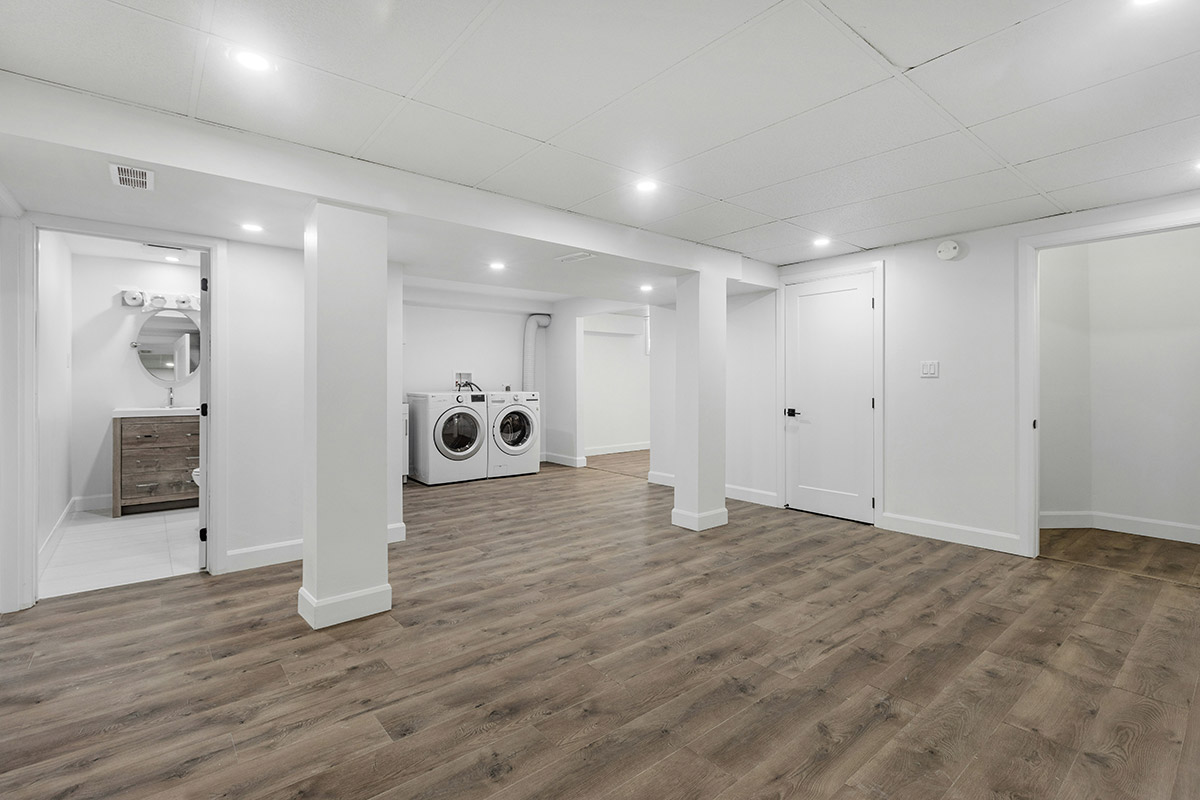
Ontario renovation planning atmosphere for comparing financing paths

Project-first comparison

Compare the payment path only after the renovation is defined enough to trust.

Flexible equity vs structureOntario homeowner guidance

Quick comparison

Two financing paths, two different kinds of flexibility

Equity path

HELOC

Usually fits best when the homeowner wants flexible access to home equity and the renovation may unfold in stages rather than one fixed payment structure.

Usually best for: Larger budgets, staged spending, longer ownership horizons, and projects with more scope or permit complexity.

Read the home equity guide

Project-linked path

Renovation financing

Usually fits best when the renovation scope is cleaner, the budget is more defined, and the homeowner prefers financing structure that feels closer to the project itself.

Usually best for: Defined scopes, cleaner payment structure, and projects where monthly-payment clarity matters more than flexible equity access.

Explore renovation financing context

What renovation financing means here

More structured payments tied to the renovation, not direct access to home equity

Renovation financing, in this context, means payment-based financing that sits closer to the renovation project itself. Homeowners often consider it when the scope is cleaner, the budget is more defined, and the appeal of structured payments matters more than flexible equity access.

It can feel simpler than using a HELOC, but it does not replace project planning. If the renovation is still unstable on cost, permits, or scope, the financing path can still be wrong even when the payment structure looks convenient.

When a HELOC may fit better

Flexible access matters more when the renovation is larger or less linear

  • Larger project budgets can make flexible access to home equity more useful than tightly structured project-based payments.
  • Staged renovation spending can suit a HELOC when design, permits, contractor timing, and final scope do not line up cleanly all at once.
  • It can appeal to homeowners who want to keep the existing mortgage structure intact while still accessing equity.
  • It often fits better on legal suites, garden suites, additions, or other complex renovation scopes where the project may need more financial flexibility.
  • A longer ownership horizon can make home-equity-backed renovation decisions easier to justify.

When renovation financing may fit better

Structure matters more when the project is cleaner and easier to price

  • Cleaner project scopes and more defined budgets can make structured renovation financing feel simpler to manage.
  • It may fit homeowners who prefer clearer payment structure tied more directly to the renovation decision.
  • It often fits better where payment clarity matters more than flexible access to home equity.
  • Smaller or mid-sized renovation projects can sometimes feel more manageable when financing is attached to a defined project rather than a broader equity strategy.
  • It still depends on realistic costs and a clear scope, not just on whether the payment path looks easy.

Renovation-first decision framework

Compare the financing path only after the renovation can answer these questions

Is the project scope defined?

If the scope is still likely to expand, structured renovation financing may feel too tight while a HELOC may feel too easy. Either way, the renovation needs more clarity first.

Is the renovation budget realistic?

Financing comparisons become distorted when the cost range is optimistic. Realistic Ontario renovation costs should come before choosing a payment path.

Is the project permit-heavy?

Permit-heavy projects such as legal suites, garden suites, additions, or major reconfigurations often carry more timing and scope risk than clean interior upgrades.

Does the homeowner need flexibility or structure?

A HELOC tends to serve flexibility. Renovation financing tends to serve payment structure. The right answer depends on the renovation itself, not just on the borrowing tool.

Ontario renovation considerations

Permit-heavy projects change the financing conversation faster than many homeowners expect

Permit-heavy projects change the financing fit

Basement renovations, legal basement apartments, garden suites, and additions can become more expensive and slower once permit, compliance, or municipal requirements become real.

Legal suites and garden suites usually need more planning than cleaner renovations

These projects often carry more long-term upside, but they also bring more scope complexity, servicing demands, and financing pressure than many homeowners first expect.

Financing pressure should stay connected to the project size

The right path depends on whether the renovation is small and clean, mid-sized and defined, or larger and flexible enough to justify home equity as part of the plan.

Common mistakes

Financing comparisons get distorted when the renovation is still unclear

Choosing the financing path before pricing the renovation realistically.

Using renovation financing for a project scope that is still likely to expand heavily.

Using a HELOC without enough discipline around staged draws and budget control.

Assuming the easiest payment path is automatically the best project path.

Ignoring permits, feasibility, and hidden scope changes.

Comparing monthly payments without comparing actual renovation risk.

Next step

Choose the financing path after the renovation is clear

Price the renovation, understand the permit path, and judge the project risk before deciding whether flexible equity access or more structured renovation financing fits better.

For the broader monthly-payment and project-financing context, review the Ontario renovation financing overview.

Frequently asked questions

Questions before choosing between a HELOC and renovation financing

Is a HELOC better than renovation financing?+

Not automatically. A HELOC usually fits better when flexibility matters, while renovation financing may fit better when the scope is cleaner and the homeowner wants more structured payments. The renovation itself should drive the choice.

What is renovation financing?+

In this context, renovation financing means payment-based financing connected more closely to the renovation project rather than drawing on home equity directly. It can feel simpler, but it does not replace project planning.

When does renovation financing make sense?+

It often makes more sense when the renovation scope is defined, the budget is clearer, and the homeowner prefers structure and payment clarity over flexible equity access.

When does a HELOC make more sense?+

A HELOC often makes more sense on larger or more staged projects, longer-term renovation plans, legal suites, garden suites, additions, and other scopes where flexibility matters more than fixed payment structure.

Is renovation financing the same as contractor financing?+

Homeowners often hear similar language around these options, but the more useful distinction is whether the financing is structured around the renovation project itself rather than around home equity access.

Should I compare payment options before pricing the project?+

Usually no. Realistic pricing, likely permits, and scope stability should come before comparing how to fund the renovation.

Which option works better for basement renovations?+

That depends on scope, permits, budget clarity, and whether the basement is a cleaner finish project or something more complex such as a legal suite path.

Which option works better for legal suites or garden suites?+

Projects like legal suites or garden suites often need deeper planning and may lean more naturally toward flexible equity access, but only when the feasibility, cost logic, and ownership plan are strong enough to support that choice.