Structural and safety work
Start with anything that materially affects safety, structure, or the integrity of the renovation before investing in finishes.
Sometimes the best financing decision is not borrowing more. It is sequencing the renovation better.
Strategic sequencing
Separate must-do work from finish upgrades before financing the whole vision.
Why phased renovation planning matters
It can create better cost control when the full renovation scope is not stable enough to fund all at once.
It helps separate must-do work from finish upgrades so financing pressure stays tied to what actually matters first.
It is especially useful on permit-heavy projects where feasibility, approvals, or compliance demands are still becoming clear.
It can reduce uncertainty and prevent homeowners from over-borrowing before the real renovation path is understood.
When phased financing may make sense
The project scope is still unfinished or evolving.
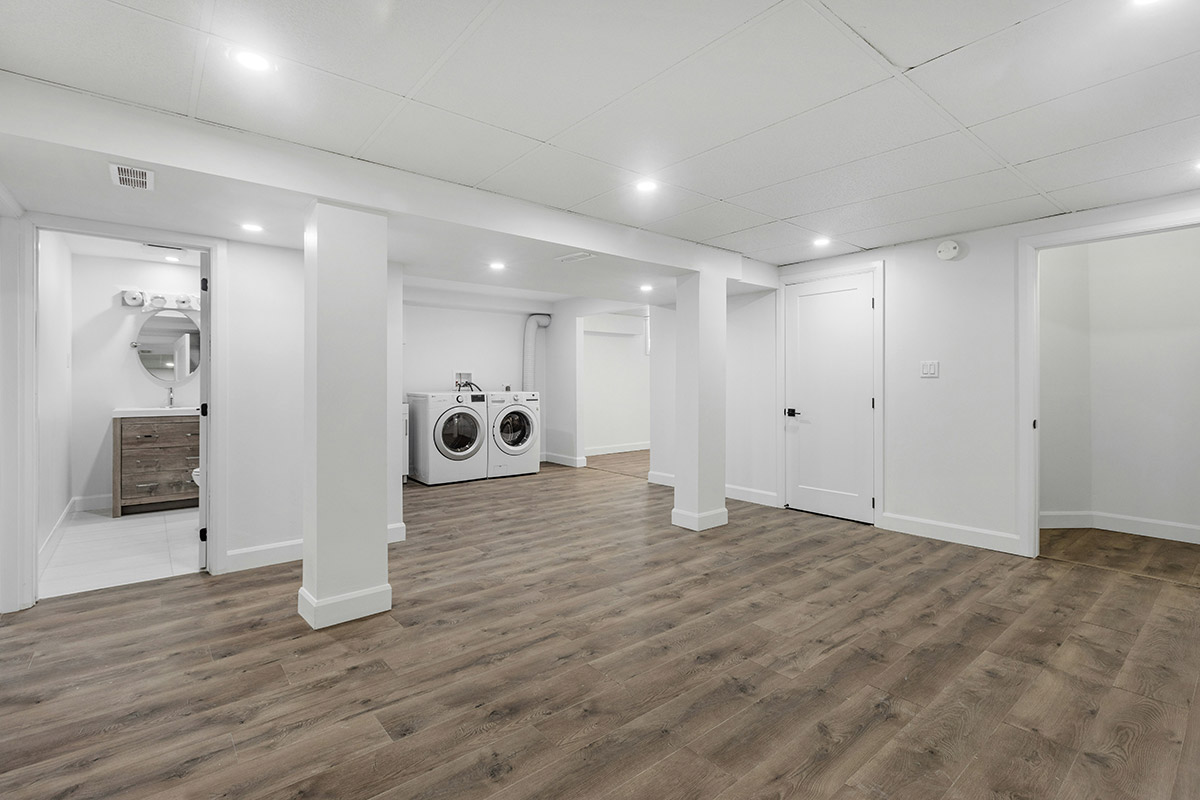
A major basement renovation may later move toward a legal suite path.
An addition or garden suite still needs stronger feasibility confirmation.
The homeowner wants to reduce upfront financing pressure while keeping the project moving intelligently.
Older homes may carry hidden structural, mechanical, or compliance scope that should be tested before the full vision is funded.
What to phase first
Start with anything that materially affects safety, structure, or the integrity of the renovation before investing in finishes.
Handle the work that determines legal feasibility, inspections, and approval order before treating the project like a cosmetic build.
These systems often determine cost risk and layout logic, especially in older Ontario homes or secondary suite projects.
Wall locations, access, ceiling conditions, and circulation paths should be clarified early because they shape everything that follows.
On projects that may become legal suites, the compliance-critical work should come before finish upgrades or softer wish-list items.
Once feasibility, permits, and core systems are stable, finish upgrades become easier to phase without distorting the whole financing plan.
Comparing the financing path
A HELOC can support staged draws when the renovation is being sequenced in deliberate phases rather than funded as one final package.
Read the home equity guideRefinancing can make more sense when the project is already fully defined, large enough to justify a broader borrowing reset, and less dependent on phased uncertainty.
Compare HELOC vs refinanceRenovation financing can suit cleaner, more defined scopes where structured payments matter more than flexible staging.
Compare HELOC vs renovation financingPhasing may be the better answer when uncertainty, permit sequencing, and scope control matter more than funding the whole dream version immediately.
Review the project pathOntario renovation scenarios where phasing can help
Phasing can help when the basement still needs legal-feasibility confirmation, code work, or compliance-driven upgrades before the suite plan should be fully financed.
See legal suite planningBackyard suites can benefit from phasing when lot fit, servicing, approvals, and overall budget logic are not yet stable enough for one full commitment.
See garden suite planningLarger renovations often hide structural, mechanical, or permit complexity that is easier to manage when the project is sequenced with discipline.
Review renovation costsOlder Ontario homes can carry unknown structural, electrical, or plumbing issues that make phased decision-making more strategic than fully financing the dream version upfront.
Review basement planningCommon mistakes
Financing the entire dream version before feasibility is confirmed.
Doing cosmetic work before permit-critical or compliance-critical work.
Treating phasing like random delay instead of a deliberate strategy.
Underestimating hidden mechanical, structural, or servicing scope.
Ignoring inspections, permit order, and sequencing logic.
Assuming a HELOC removes the need for disciplined renovation sequencing.
Next step
Decide what has to happen first, what needs permits or compliance work, and what can wait until the renovation is more stable before borrowing for the entire vision.
If you also want the broader monthly-payment context, review the Ontario renovation financing overview.
Frequently asked questions
Phased renovation financing means sequencing the project so the most important or risk-sensitive work happens first, instead of borrowing for the entire renovation all at once.
Phasing can make sense when the scope is still evolving, the project is permit-heavy, hidden issues are likely, or the homeowner wants to reduce upfront financing pressure while keeping the project moving.
Yes. A HELOC can work well for phased renovations because flexible access to equity can align with staged spending, but it still requires disciplined sequencing and cost control.
Sometimes, but usually only when the project becomes fully defined and large enough to justify a broader borrowing reset. Refinancing is often less useful when major uncertainty still needs to be worked through.
Structural, safety, permit-critical, layout-defining, and mechanical work usually comes before finish upgrades because it shapes the real cost and feasibility of the project.
Often yes. Legal basement apartments can benefit from phasing because code, permit, and systems work may need to be clarified before the full suite vision should be financed.
Yes. Phasing can reduce financing risk by preventing homeowners from overcommitting capital before the renovation is stable enough to justify that level of borrowing.
Sometimes. A garden suite may benefit from phasing when lot fit, servicing, municipal review, or design feasibility still needs stronger confirmation before the whole build is financed.